Toward a society
that notices
the SOS
no one says aloud.
Blesc is a journaling app for schools in Japan. Students write a short diary in their own time, and our AI replies with one follow-up question. Teachers never see the diary itself. They only see when a student’s writing shows a notable change, such as expressions of distress, along with when it happened, so they know who to check in with. Blesc does not diagnose or predict risk. Every judgment is made by teachers.
Making students’ unspoken SOS visible.

After a crisis, it is too late.
A student’s struggles end up being noticed only “after something has happened.”
Mental well-being of children in Japan
37thof 38
- Netherlands90%
- Finland84%
- Spain82%
- Germany75%
- United States71%
- Republic of Korea67%
- United Kingdom64%
- Japan62%
Students not attending school
350,000+
Structural limits
Why the methods used so far fail to notice.
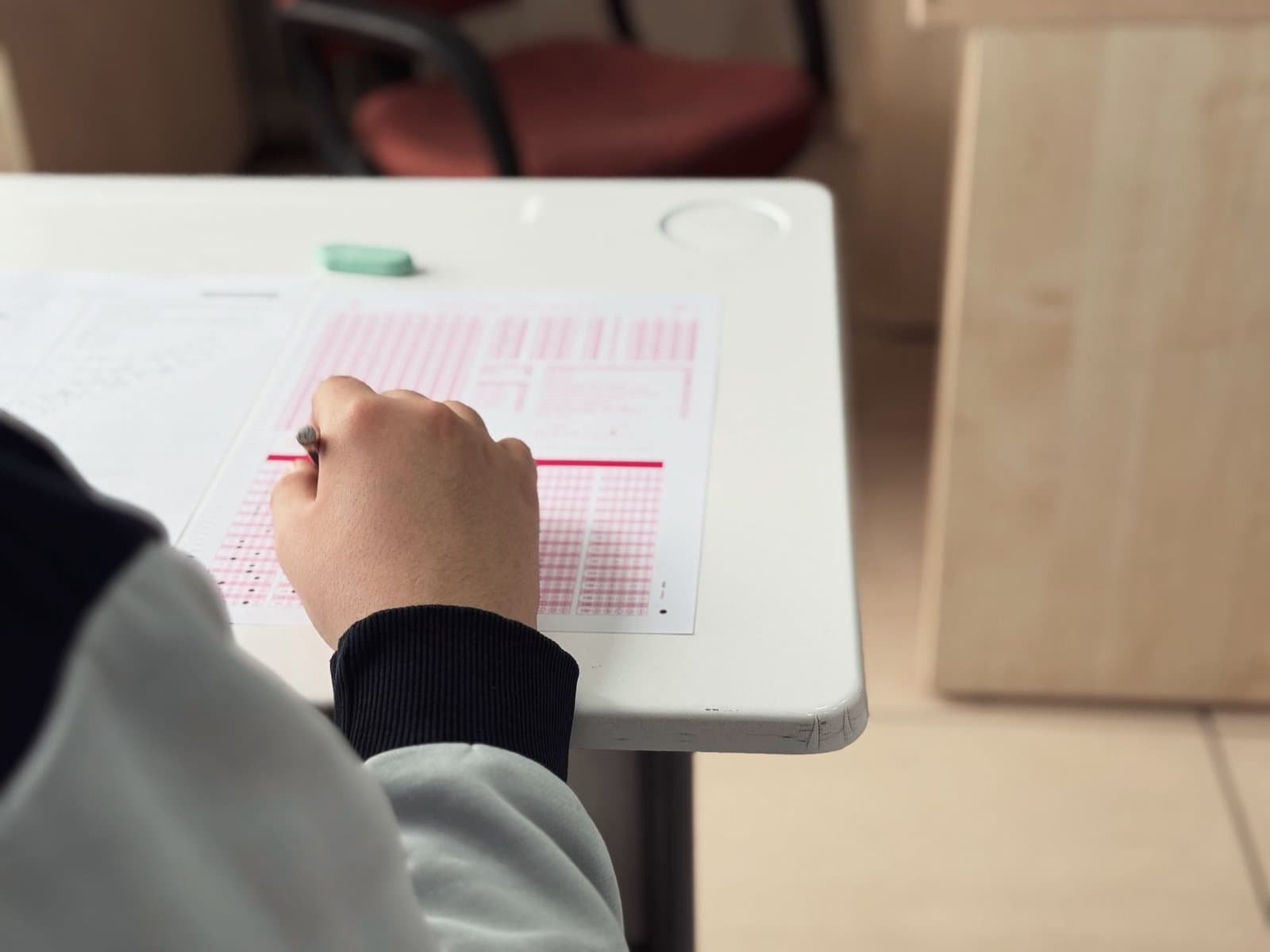
Surveys do not show true feelings.
In a “Yes/No” format, students choose the safe answer that adults want.
The more serious the case, the harder it is to see.
The more cornered a student is, the more they push others away and become isolated, so a system that waits for an SOS comes too late.
Teachers’ resources have limits.
It is not realistic to grasp the subtle feelings of each of 40 students. The problem is one of structure, not of teachers’ dedication.
Blesc is a journaling app for schools.
Students write a diary in their own time, and the AI replies with one short follow-up question. Teachers do not receive the diary text. They receive only the class, the student number, and what kind of expression appeared and when.
How it works
From a diary entry to the record a teacher receives.
Every student is included
The whole class uses it, not only the students who choose to.
Write a diary
Students can write in their own time, about anything and at any length.
The AI replies with a question
There is no back-and-forth. The AI replies with just one short follow-up question.
Capture changes
This gives a clue for telling one low day from a change that continues. Blesc does not assess psychological risk.
Product
Teachers receive only observations and their basis.
The diary text is not shared. Students write a diary in their own time, and the AI replies with one follow-up question. Teachers receive only what was observed in the writing, with its time and basis. Blesc does not assess psychological risk.
Technology
We organize the links between mind and daily life, checking them against published sources.
We compile the links between concepts such as mood, behavior, and events at school into a knowledge graph (an ontology), covering three areas: sleep, social withdrawal, and academic pressure. For each link, we record whether a published source supports it.
- Areas
- 3
- Concepts
- 28
- Links
- 42
Of these, 15 links are recorded with a published source. Links without a source are marked separately as our own judgment, and we are preparing a review by clinical experts.
An example of these links
- sleep deprivation
Source for the association between “sleep deprivation” and “reduced concentration and memory”: WHO fact sheet
- reduced concentration and memory
Sources for the association between “reduced concentration and memory” and “depressed mood”: WHO fact sheet, NICE NG134
- depressed mood
Each is recorded as an association, and does not show which one is the cause.
Published sources we refer to
The organizations listed do not recommend or endorse Blesc.
- WHO fact sheet · 2025Mental health of adolescents (opens in a new tab)
- NICE NG134 · 2019Depression in children and young people: identification and management (opens in a new tab)
- WHO · 2016mhGAP Intervention Guide for mental, neurological and substance use disorders in non-specialized health settings, version 2.0 (opens in a new tab)
- MEXT (Japan’s Ministry of Education) · 2022Student Guidance Guidelines (revised), 生徒指導提要(改訂版) (opens in a new tab)
The 42 links and their sources
Concepts by area
- Sleep (12)
- sleep deprivation; late-night screen use; reduced concentration and memory; depressed mood; irritability and heightened emotional reactivity; anxiety; fatigue; difficulty keeping up at school; lateness or absence; withdrawing from others; regular sleep schedule; contact with a trusted adult
- Social withdrawal (13)
- depressed mood; anxiety; lateness or absence; withdrawing from others; contact with a trusted adult; asking someone for help; loneliness; shame about going back; bullying or trouble with friends; futoko — administrative non-attendance category, 30+ days per school year; friendship with peers; support at home; access to a school counsellor or equivalent
- Academic pressure (15)
- sleep deprivation; reduced concentration and memory; depressed mood; anxiety; difficulty keeping up at school; regular sleep schedule; contact with a trusted adult; exam pressure; assignment deadline; expectation to do well; trouble falling or staying asleep; loss of interest or pleasure; studying late into the night; putting off schoolwork; help planning the workload
Added up area by area, the three areas hold 40 concepts and 50 links. That is because the concepts (9) and links (7) that belong to more than one area are counted in each of them. With the duplicates removed, there are 28 concepts and 42 links.
Association recorded with a published source (15)
- sleep deprivation
to reduced concentration and memoryWHO fact sheet - reduced concentration and memory
to depressed moodWHO fact sheet, NICE NG134 - sleep deprivation
to depressed moodWHO fact sheet, NICE NG134 - sleep deprivation
to irritability and heightened emotional reactivityWHO fact sheet - depressed mood
to sleep deprivationNICE NG134 - depressed mood
to withdrawing from othersNICE NG134 - depressed mood
is seen together with anxietyWHO fact sheet - regular sleep schedule
eases sleep deprivationWHO fact sheet - contact with a trusted adult
eases depressed moodWHO mhGAP, MEXT Student Guidance Guidelines - bullying or trouble with friends
to anxietyWHO fact sheet - bullying or trouble with friends
to withdrawing from othersWHO fact sheet, MEXT Student Guidance Guidelines - loneliness
to depressed moodWHO fact sheet - friendship with peers
eases lonelinessWHO fact sheet - support at home
eases depressed moodWHO fact sheet - depressed mood
to loss of interest or pleasureNICE NG134
Not supported by a published source (27)
These links are our own judgment. For 4 of them we consulted MEXT Student Guidance Guidelines, but nothing there states the link itself, so they are included here.
- sleep deprivation
to fatigue - reduced concentration and memory
to difficulty keeping up at school - sleep deprivation
to lateness or absence - irritability and heightened emotional reactivity
precedes withdrawing from others - late-night screen use
to sleep deprivation - lateness or absence
is seen together with withdrawing from others - shame about going back
intensifies withdrawing from others - withdrawing from others
to loneliness - withdrawing from others
avoids asking someone for help - withdrawing from others
avoids contact with a trusted adultConsulted: MEXT Student Guidance Guidelines - access to a school counsellor or equivalent
precedes asking someone for helpConsulted: MEXT Student Guidance Guidelines - lateness or absence
precedes futoko — administrative non-attendance category, 30+ days per school yearConsulted: MEXT Student Guidance Guidelines - withdrawing from others
precedes futoko — administrative non-attendance category, 30+ days per school year - depressed mood
precedes futoko — administrative non-attendance category, 30+ days per school year - futoko — administrative non-attendance category, 30+ days per school year
to shame about going back - exam pressure
to sleep deprivation - exam pressure
to trouble falling or staying asleep - trouble falling or staying asleep
to sleep deprivation - assignment deadline
intensifies exam pressure - expectation to do well
intensifies exam pressure - difficulty keeping up at school
precedes exam pressure - exam pressure
to anxiety - exam pressure
to studying late into the night - studying late into the night
to sleep deprivation - anxiety
to putting off schoolwork - putting off schoolwork
precedes difficulty keeping up at school - help planning the workload
eases exam pressureConsulted: MEXT Student Guidance Guidelines
Arrows show the direction in the graph. No source goes as far as supporting the direction (which one is the cause).
Team
Blesc is a team of bilingual returnee students with diverse backgrounds, including China, Japan, Australia, and India, working to solve social issues from perspectives inside and outside Japan.
田 雨竜
CEO
1 / 8
田 雨竜
CEO
I am a high school student with roots in China and Japan. I like talking with people and am confident in my communication skills. My jokes, on the other hand, somehow always tend to fall flat. I have a strong interest in marketing and behavioral economics, and I am learning about building mechanisms that prompt people’s decision-making and behavior change. As CEO of Blesc, I am in charge of planning business strategy and working with outside organizations, and I am taking on the social issue of young people’s mental health.
松本 龍
Head of Finance
I am interested in using data science to solve social issues, and at present I am mainly engaged in research on econometrics, finance, and market liquidity. At Blesc, as co-founder and project lead, I lead the development of a product that uses clinical ontology and techniques for analyzing nonverbal behavioral biases, as well as the planning of business strategy and finance.
マクガン ジャスパー
Web Designer & Marketing Director
I am a high school student with roots in Australia and Japan. I am interested in solving problems with AI and in contributing to local communities, and I also work on digital marketing, video editing, and creative production. At Blesc, I am in charge of marketing and product: building the brand identity, designing the product and the website, and handling social media and marketing strategy. I aim to bring value to more people through both technology and design.
モンガ 蓮緒奈
Experience Designer
I am a high school student with roots in India and Japan. I am interested in researching and developing novel interfaces, in solving problems with technology, and in contributing to local communities. I also work on digital marketing, video editing, and creative production. As Experience Designer at Blesc, I am in charge of user experience (UX) design and product design, and I aim to build a service anyone can use intuitively. I am working to create better experiences by bringing technology and design together.
内藤 悠人
Psychology Researcher
I am interested in the mechanisms of the human mind and in solving social issues, and at present I am engaged in developing a mental health platform that draws on findings from psychology. As Chief Research Officer at Blesc, I oversee the design and research of the product’s core, including building the system’s foundations and standardizing psychological data. I am passionate about turning complex academic findings into a system anyone can use intuitively. With outstanding expertise and a flexible outlook, I aim, together with the team, to bring to society the kind of innovation many people think is impossible.
王 謙蘊
Engineering Lead
I am a high school student interested in AI, biotechnology, and entrepreneurship. As CTO of Blesc, I work on developing technology that helps solve social issues, with an emphasis on scientific evidence and transparency. I like turning ideas into real products, and teaming up with talented peers to take on hard problems. At present I am focusing mainly on applying AI, product development, and managing the technical team.
山村 初香
Legal & Compliance
I am a second-year student at Hiroo Gakuen. I am interested in government policy and legal systems — who they are made for, and whose lives they affect and how — and I take part in a range of activities. At Blesc, I am currently in charge of legal and compliance matters, including the terms of service and the privacy policy. I aim to build a service foundation anyone can use with peace of mind.
梅澤 透真
I am a second-year student at Shibuya Kyoiku Gakuen Shibuya High School. My hobbies are the viola, reading, and studying chemistry. Lately I have been joining a variety of projects with “learning” in its broad sense in mind.
Backed by
- Kyoto University
- Support
- ANOBAKA
- U-25 AI Accelerator, Cohort 2 — selected
News
ANOBAKA
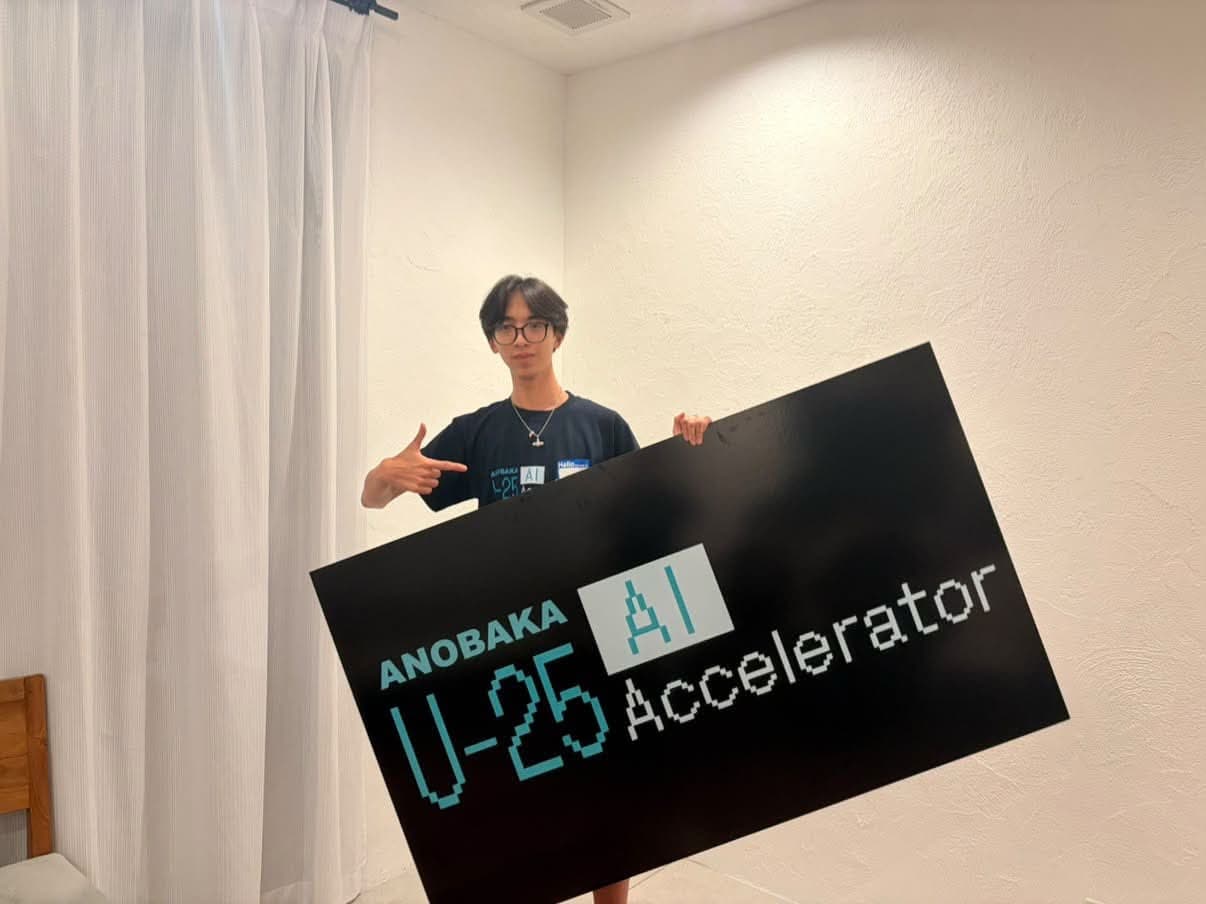
Selected for U-25 AI Accelerator, Cohort 2, and received a ¥1,000,000 grant.
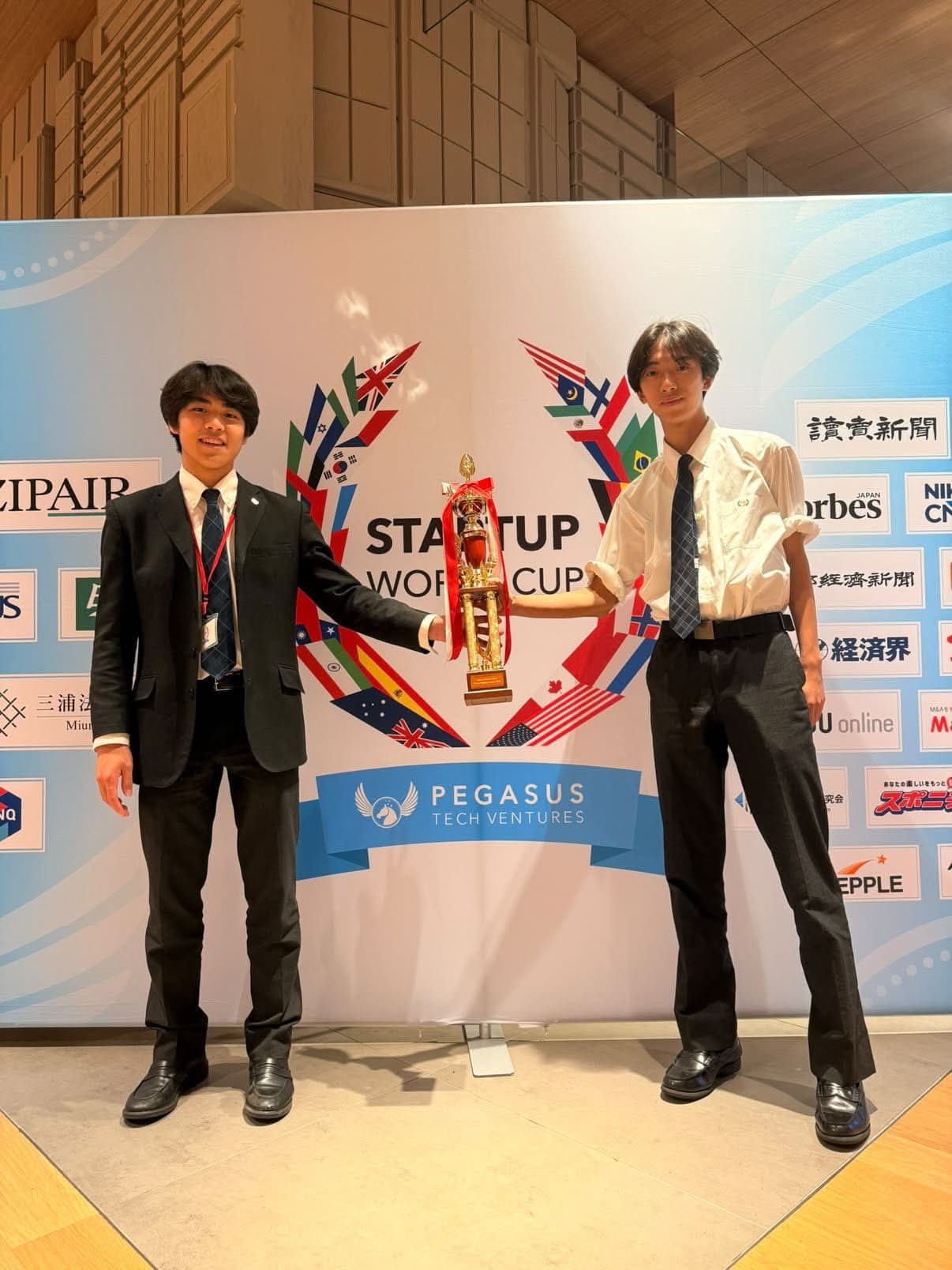
Startup World Cup 2026 Tokyo qualifier
Took the stage as a finalist in the youth pitch.
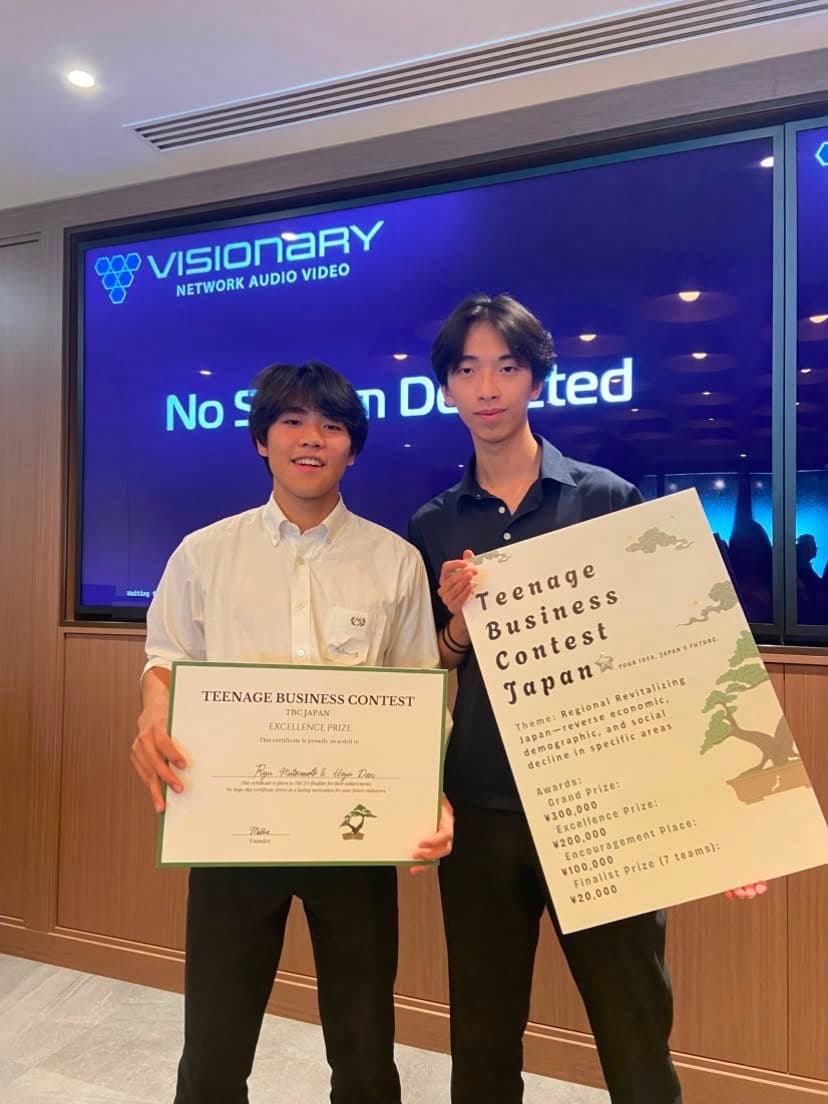
Teenage Business Contest Japan 2026
Won the Excellence Prize.
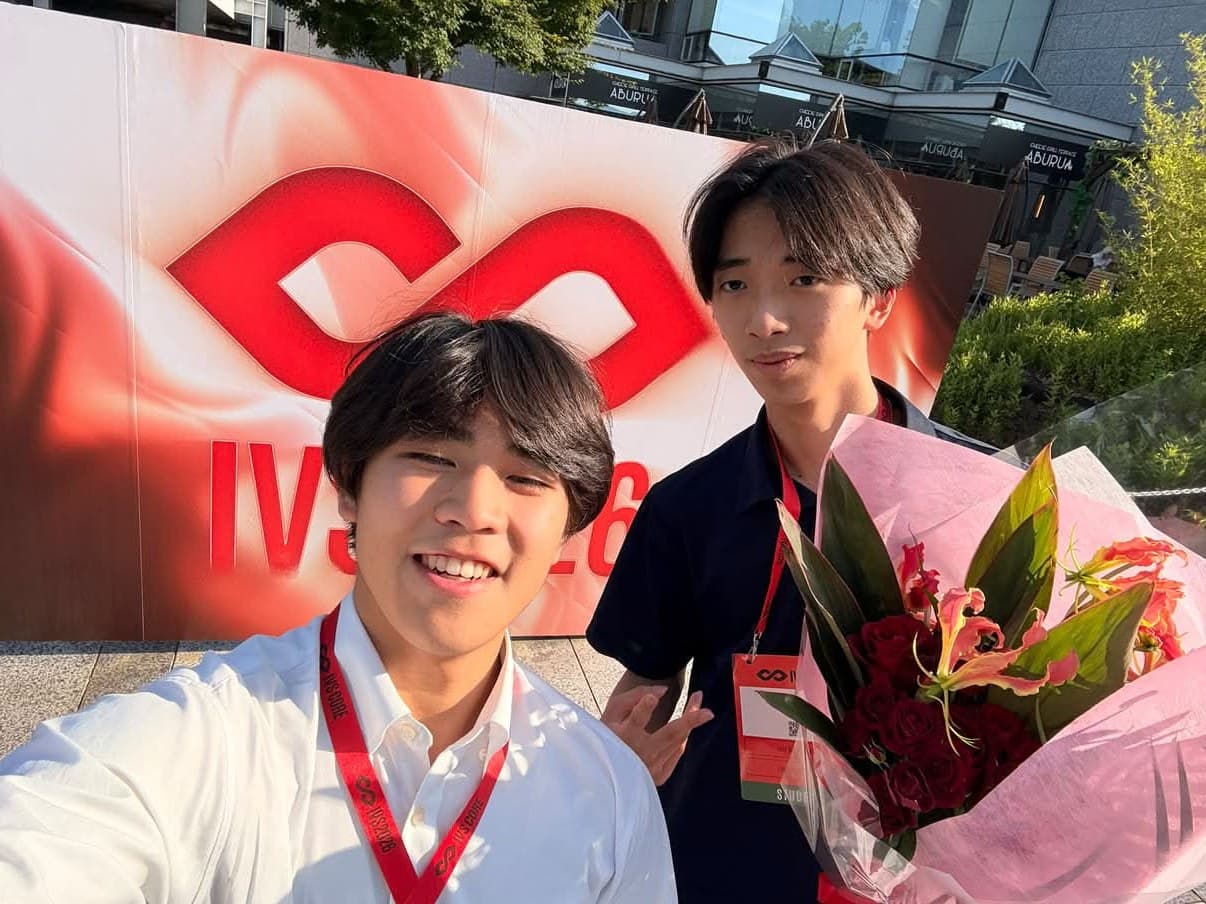
IVS
Won the Excellence Prize in the YOUTH division.
SusHi Tech Tokyo
Took the stage and presented Blesc’s work.
FAQ
Common questions before adopting Blesc.
What is Blesc?
Blesc is a mental health platform for schools. Its own AI follows up on the diary each student writes in their own time, and Blesc captures changes in wording and in how a student writes and makes them visible. Blesc does not assess psychological risk, and it does not diagnose a student’s mental or physical condition.
Do teachers read what students write in their diaries?
The diary text itself is never shown to teachers. What teachers receive is what was observed in the writing, the time it was observed, and the basis for it. An observation with no basis to show is not displayed at all.
How much does it ask of students?
Students write the diary in their own time, and what they write and how much are up to them. It is for all students, not only those who choose to take part, and it needs no new routine and no special preparation.
How is Blesc different from a general-purpose AI assistant?
Blesc does not keep a back-and-forth going. It replies to a diary entry with just one short follow-up question. In addition, for three areas (sleep, social withdrawal, and academic pressure), we have organized the links between concepts such as mood, behavior, and events at school into a knowledge graph (an ontology), checking them against published sources such as those from WHO and NICE. For each link, we record whether a published source supports it.
What is “mental health observation,” and how is Blesc different?
“Mental health observation” (kokoro no kenkō kansatsu) is an initiative that MEXT (Japan’s Ministry of Education) is introducing with the aim of having it carried out in schools nationwide. It uses tools such as the devices issued one per student to keep track of changes in students’ state of mind and physical condition, so that this leads to early identification and early support. The examples given in MEXT’s materials, such as web-based stress checks, forms, and apps, collect answers to questions. Blesc does not use a format where students select answers. From the diary each student writes in their own time, it captures changes in wording and in how a student writes and makes them visible. Note that this is a description of MEXT’s initiative. It does not mean that MEXT recommends or endorses Blesc.
Can one low day be told apart from a change that continues?
Blesc captures small signals as they build up: nuances of wording, pauses where a student hesitated to write, and day-to-day changes in how a student writes. Because the entries build on one another, they become a clue for telling whether it is one low day or a change that continues. The judgment itself is made by the teacher who receives the record.
Can Blesc be used to identify bullying early?
Blesc does not determine whether bullying is taking place, and it does not find bullying. From the diary each student writes in their own time, it captures changes in wording and in how a student writes and makes them visible, and it delivers what was observed in the writing to teachers, together with its time and its basis. That is a clue to help teachers notice. It is the school and its teachers who judge whether bullying is taking place and decide how to respond.
Can Blesc be used to prevent school non-attendance?
Blesc does not predict whether a student will stop attending school, and it does not guarantee prevention. It captures changes in wording and in how a student writes and makes them visible, giving teachers a clue for noticing a change in a student. How to support the student after noticing is for the school and its teachers to decide.
Is there technical backing for Blesc?
The knowledge graph is compiled in-house with reference to the WHO fact sheet “Mental health of adolescents,” NICE guideline NG134, the WHO mhGAP Intervention Guide, and Seito Shidō Teiyō, the Student Guidance Guidelines of MEXT (Japan’s Ministry of Education). Of its 42 links, 15 are recorded as associations with a published source cited. The remaining 27 have no published source behind them, and are clearly marked as our own judgment. Even the links that have a source are recorded as associations. They do not show which one is the cause. The organizations listed do not recommend or endorse Blesc. We are preparing a review by clinical experts.
How do we get in touch about adopting Blesc?
Please contact us through the contact form, choosing “Request information” or “Book a consultation.” We will review your message, and a member of our team will reply within a few business days.